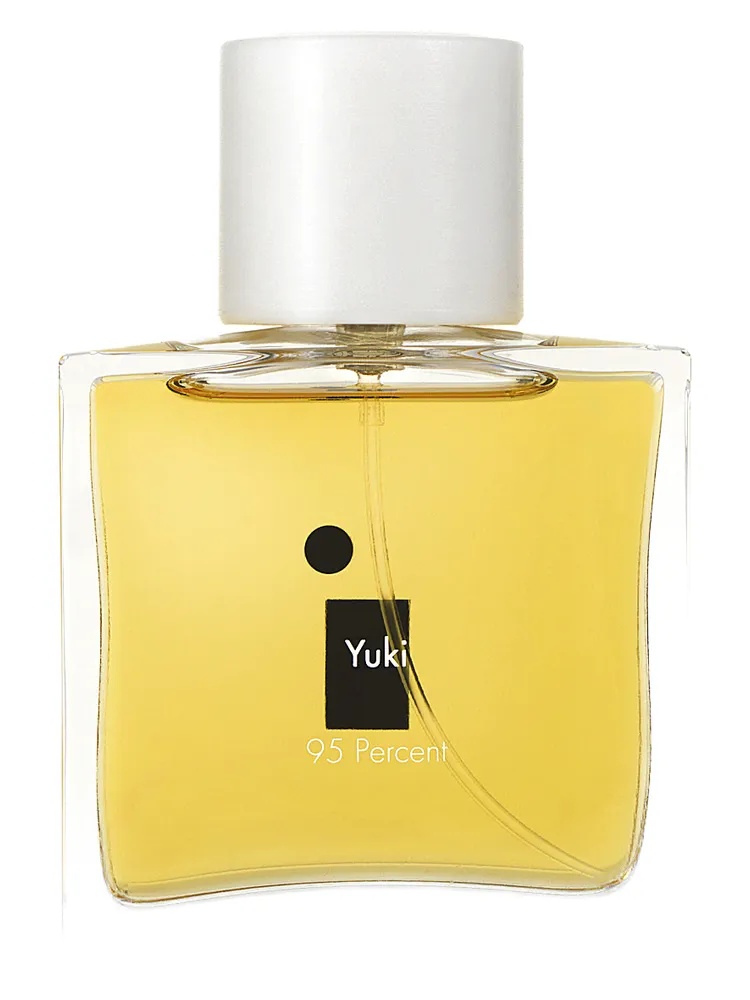
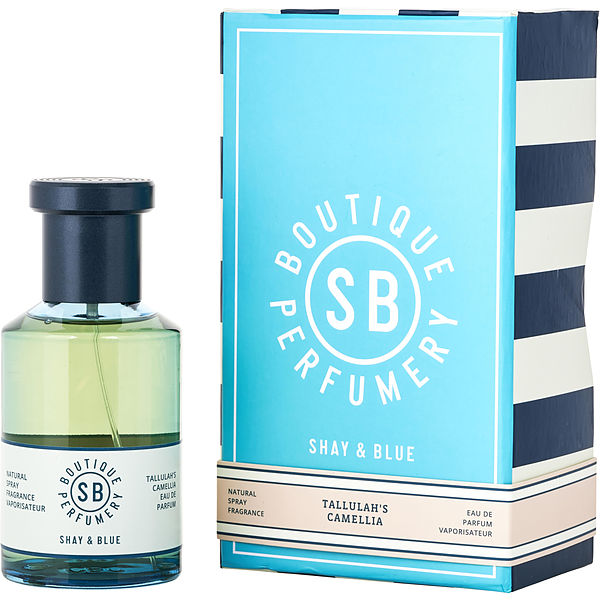
Yuki unisex vs Shay & Blue Tallulahs Camellia
Yuki unisex Advantages
Stronger projection
Strong vs Moderate
More complex scent profile
10 accords vs 7
More versatile across seasons
Works well in 3 seasons
Shared accords:
Verdict
Yuki unisex opens with Osmanthus while Shay & Blue Tallulahs Camellia leads with Hyacinth. Yuki unisex lasts moderate with strong projection, making it ideal for spring. Shay & Blue Tallulahs Camellia brings a white floral character with moderate longevity, best suited for spring, while Yuki unisex leans more aromatic.
You Might Also Like
Frequently Asked Questions
Is Yuki unisex or Shay & Blue Tallulahs Camellia better?
Yuki unisex by Illuminum has not been rated yet, while Shay & Blue Tallulahs Camellia by Shay & Blue has not been rated yet. Yuki unisex is a aromatic, woody fragrance, while Shay & Blue Tallulahs Camellia leans more white floral, green. The best choice depends on your personal preference and the occasion.
Which lasts longer: Yuki unisex or Shay & Blue Tallulahs Camellia?
Yuki unisex has moderate longevity with strong sillage. Shay & Blue Tallulahs Camellia has moderate longevity with moderate sillage.
What are the main differences between Yuki unisex and Shay & Blue Tallulahs Camellia?
Yuki unisex features aromatic, woody, green accords, while Shay & Blue Tallulahs Camellia is characterized by white floral, green, woody notes. They share woody, green, floral, lactonic accords in common.